
To understand the difference between multichannel, crosschannel and omnichannel, the best place to start is the traditional shop. It sells through one channel: the consumer buys in the physical shop and nowhere else. That is called single channel. Multichannel, crosschannel and omnichannel are the steps that follow when a brand adds channels and makes them work together more and more closely.

Multichannel
With multichannel, a brand sells through several channels, for example a webshop and physical shops. Customers choose where they buy, but the channels work separately. The brand has several front doors, but behind each door is a different shop. Prices, stock and customer service can differ from one channel to the next. A product that is sold out online may still be on the shelf in the shop, and a webshop order cannot always be returned in store.
Crosschannel
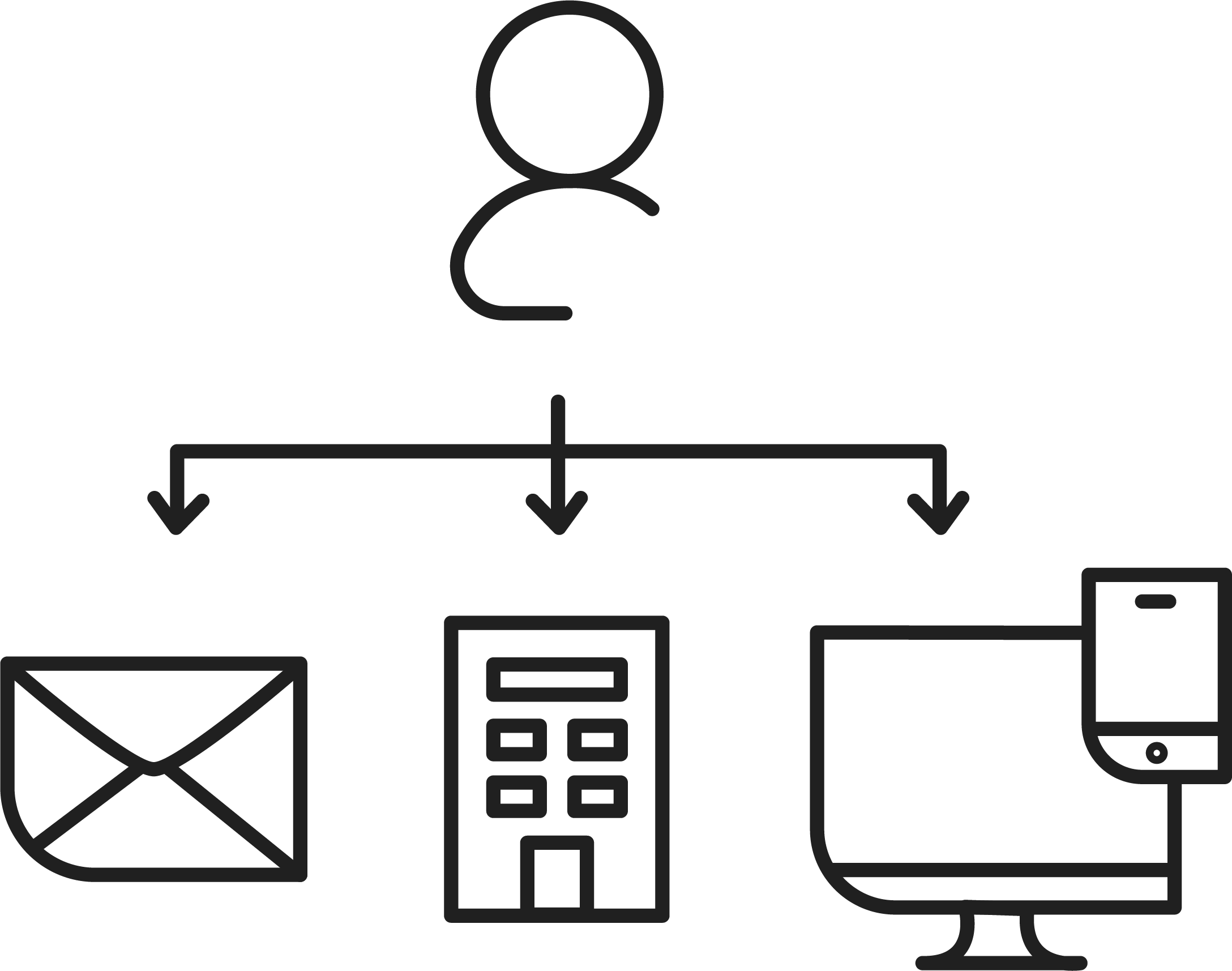
With crosschannel, the channels join hands. A customer orders online and picks the product up in the shop, for example, or returns an online purchase in store. Prices and service are the same in every channel. Behind the scenes it is organised chaos: shop and webshop need to see the same orders and stock, at least for the products and processes they share.

Omnichannel
And then there is omnichannel, the icing on the cake. All of a brand’s sales and communication channels work as one. A customer reserves a product online, asks a question about it on social media and collects it in the shop, and every channel knows the customer, the order and the stock. Where crosschannel is mainly about building bridges between channels, omnichannel is about one experience, wherever the customer walks in or out again.
Multichannel, crosschannel and omnichannel compared
| Multichannel | Crosschannel | Omnichannel | |
|---|---|---|---|
| Channels | Several channels side by side | Several channels that work together | All channels as one |
| Stock | Often separate for each channel | Shared between some channels | One stock for all channels |
| Price and customer experience | Can differ per channel | Largely the same | The same everywhere |
| Example | A webshop and shops that run separately | Ordering online and collecting in store | Buying online, exchanging in store and seeing the return back in stock straight away |
Swipe the table sideways to compare all three
Pros and cons of omnichannel
Omnichannel makes shopping easier for the customer. They choose how to buy, collect or return, and find the same information everywhere. That increases the chance of a purchase: someone who tried on a coat in the shop can still order it in the right colour from the sofa that evening, and the other way round. Because all channels share data on buying behaviour, a brand also gets a more complete picture of its customers.
On the other hand, omnichannel is technically demanding. Webshop, point-of-sale systems, inventory management and customer data have to talk to each other in real time, and that calls for investment in software and maintenance. More shared customer data also means more attention to security and the GDPR. And every channel has to offer the same tone, prices and service, while different teams are often at the helm.
Which channels belong in an omnichannel strategy?
A brand does not have to be active on every channel. What matters is that the channels where its customers are connect with each other. The webshop is usually the centre, complemented by physical shops, where customers look at products and collect online orders. On top of that there are often marketplaces such as Amazon, social media, and an app, email or text messages for order updates and offers.
What omnichannel asks of your logistics
The more closely the channels work together, the more everything revolves around one central stock. Webshop orders, shop deliveries and marketplace orders then come from the same inventory, and a return from the shop needs to be back on sale as quickly as a return from the webshop. If you work with different parties for your webshop and your shops, the stock has to stay constantly synchronised between them. With one partner for parcels to consumers and deliveries to shops, everything sits in the same system.
“Omnichannel sounds like a marketing story, but in the warehouse it gets very concrete. One day a collection leaves for the shops, the next day the webshop orders for the same items come in. If one shop has too many of a size and another too few, we move them between the shops. And whatever comes back, from the shop or the webshop, is ready for a new buyer as quickly as possible.”
Jo Plehiers, business development retail distribution at Widem Logistics
Frequently asked questions
Multichannel means that a brand sells through several channels, such as a webshop and physical shops, but those channels work separately.
With crosschannel, the channels work together, so a customer can, for example, order online and collect in store.
With omnichannel, all of a brand’s sales and communication channels work as one. Customers use them interchangeably and find the same prices, information and service everywhere.
A webshop that is connected to a brand’s other channels, such as shops, marketplaces and the app. Customers see the same stock and prices everywhere, and can buy online and collect or exchange in store.