
Customs clearance plays a crucial role within the modern supply chain, especially in an increasingly global marketplace. The process surrounding customs ensures that goods can be imported and exported legally and efficiently. This is essential to avoid delays and to comply with national and international laws and regulations.
In today’s logistics world, mastering customs procedures is a must for companies operating internationally. Without a well-organized customs process, deliveries can be delayed, additional costs incurred and even reputational damage can occur. Therefore, it is important to understand how customs work and its impact on the entire supply chain.
The complexity of customs clearance is compounded by the diversity of regulations by country and the need for strict compliance. Companies must be precise in providing correct documentation and following the correct processes to avoid problems. This requires specialized knowledge and often collaboration with professional customs agencies.
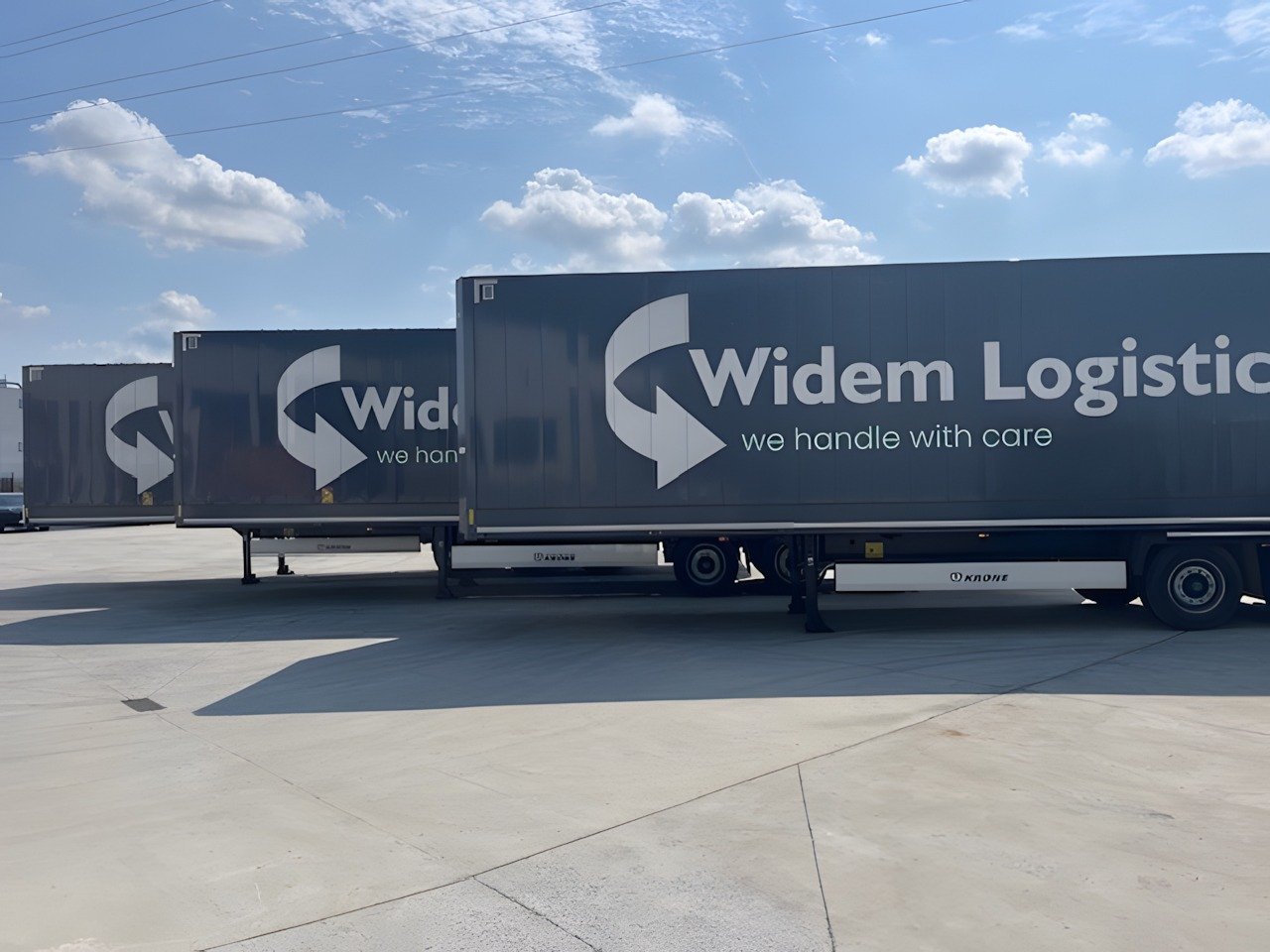
Widem Logistics understands these challenges like no other and therefore offers integrated solutions that take into account all aspects of the supply chain, including customs. This ensures that your products get through customs quickly and without unnecessary obstacles, so your customers can count on reliable deliveries.
Customs procedures explained
The concept of customs procedures encompasses all the steps and rules required to transport goods legally into or out of a country. These procedures are designed to protect the safety, health and economic interests of countries. For businesses, this means meeting specific requirements before their shipments are released by customs.
Key customs procedures include:
Documentation and compliance
Adhering to compliance within customs clearance begins with the correct delivery of all required documentation. This is not only a legal obligation, but also an essential part of avoiding delays and additional costs.
The most common documents are:
Strict adherence to these documentation requirements is part of the broader compliance policy. Organizations must ensure transparent and accurate records to demonstrate compliance with all applicable regulations and laws.
Failure to comply correctly can lead to penalties, delays or even refusal of goods at customs. Therefore, it is advisable to continuously invest in training and automation of documentation processes.
Impact on delivery times
Handling customs can have a significant impact on overall delivery times within the supply chain. Unexpected customs delays not only cause customer frustration, but can also lead to increased costs and disruption of production processes.
Factors affecting delivery time include:
By proactively planning and working with an expert customs clearance partner, many of these risks can be mitigated. Automation, accurate documentation and understanding of customs requirements contribute to a smooth process and reliable delivery.
International regulations
Global trade is regulated by a complex network of international regulations that govern how goods may move across borders. These rules are designed to promote fair trade, ensure security and protect economic interests.
Important international frameworks include:
For companies, this means that they must constantly be aware of changes in regulations and adjust their processes accordingly. Failure to comply with international regulations can lead to fines, confiscation of goods and reputational damage.
A trusted partner specializing in customs and international logistics can help you navigate this complex landscape and ensure your compliance.
Conclusion
Customs clearance is inextricably linked to the international supply chain and requires specialized knowledge, accuracy and a proactive attitude. Performing customs procedures correctly, ensuring compliance and anticipating the impact of customs on delivery times are critical to the success of international trade.
By investing in proper documentation, cooperation with experienced partners and following international regulations, companies can optimize their logistics processes and minimize risks. This leads to more efficient deliveries, lower costs and satisfied customers.
Widem Logistics is ready to support you with expert customs services within your supply chain. This allows you to focus on growth and innovation without worrying about the complexity of customs clearance. Find out more about our services here.