
Personalised logistics has emerged as a pivotal element in modern supply chain management, directly influencing customer satisfaction and loyalty. In an increasingly competitive global market, businesses seek to differentiate themselves not just through the products they offer but through the quality of their fulfilment services and the overall customer experience. Tailoring logistics solutions to meet individual customer needs is no longer a luxury but a necessity.
At its core, personalised logistics involves customizing the movement, storage, and delivery of goods to align precisely with the expectations and preferences of customers. This goes beyond traditional logistics’ focus on speed and cost-efficiency, emphasizing care, flexibility, and communication throughout the supply chain. By integrating personalised logistics, companies can effectively enhance their service levels, reduce delivery errors, and foster stronger customer relationships.
Moreover, personalised logistics plays a vital role in supporting e-commerce and omnichannel retail strategies, where consumers demand quick, reliable, and seamless delivery experiences. From bespoke packaging to tailored delivery windows, every detail contributes to shaping the customer experience. With the rise of digital technologies and data analytics, logistics providers can now offer more precise, responsive, and transparent fulfilment services that adapt dynamically to customer preferences.
In summary, personalised logistics is transforming traditional supply chains into customer-centric networks. This evolution is crucial for businesses aiming to build trust, encourage repeat purchases, and stand out in a crowded marketplace. The following sections will explore what personalised logistics entails, its impact on customer experience, and how it can be effectively implemented to maximize benefits.
What is personalised logistics
Personalised logistics refers to the customization of logistics processes to cater specifically to the unique requirements and preferences of individual customers or customer segments. Unlike conventional logistics models centered predominantly on efficiency and cost reduction, personalised logistics incorporates elements of flexibility, care, and tailored communication.
This approach may involve customizing packaging styles, delivery schedules, handling instructions, or order tracking notifications based on customer data and preferences. It leverages advanced technologies such as real-time tracking, AI-driven demand forecasting, and customer relationship management (CRM) systems to deliver a seamless, responsive service.
In practical terms, personalised logistics means adapting the supply chain management process to consider factors such as:
For example, a customer ordering fragile items might receive special packaging and handling instructions, while a business client might opt for consolidated deliveries to reduce costs and environmental impact. The aim is to create a logistics experience that feels bespoke and attentive, enhancing the overall purchase journey.
Personalised logistics is a strategic enabler that integrates data, technology, and human touch to drive superior fulfilment services. It helps companies differentiate themselves by aligning their supply chain operations with customer expectations, thus directly contributing to increased customer satisfaction and loyalty.
Impact on customer experience
The integration of personalised logistics profoundly influences the customer experience, serving as a key differentiator in today’s customer-driven markets. When logistics services are tailored to individual needs, customers perceive greater value, reliability, and care, which significantly boosts their satisfaction.
One of the most direct impacts is the enhancement of delivery accuracy and convenience. By accommodating preferred delivery windows and methods, businesses reduce missed deliveries and ensure customers receive their orders when and how they want them. This responsiveness fosters trust and convenience, essential components of a positive customer experience.
Moreover, personalised logistics enables proactive communication and transparency. Customers receive real-time updates and can track their orders with precision, reducing uncertainty and anxiety. This transparency builds confidence and supports a stronger emotional connection between the brand and the customer.
Additionally, customised packaging and handling demonstrate respect for the product and the customer, reinforcing brand reputation. This attention to detail helps businesses stand out, especially in sectors like beauty, fashion, and electronics, where product presentation and care are essential.
Ultimately, personalised logistics transforms the supply chain from a back-end function into a front-line customer service channel. It aligns logistics with the broader goal of delivering an exceptional customer experience, which is critical for retention and competitive advantage in today’s fast-evolving markets.
Tailoring fulfilment services
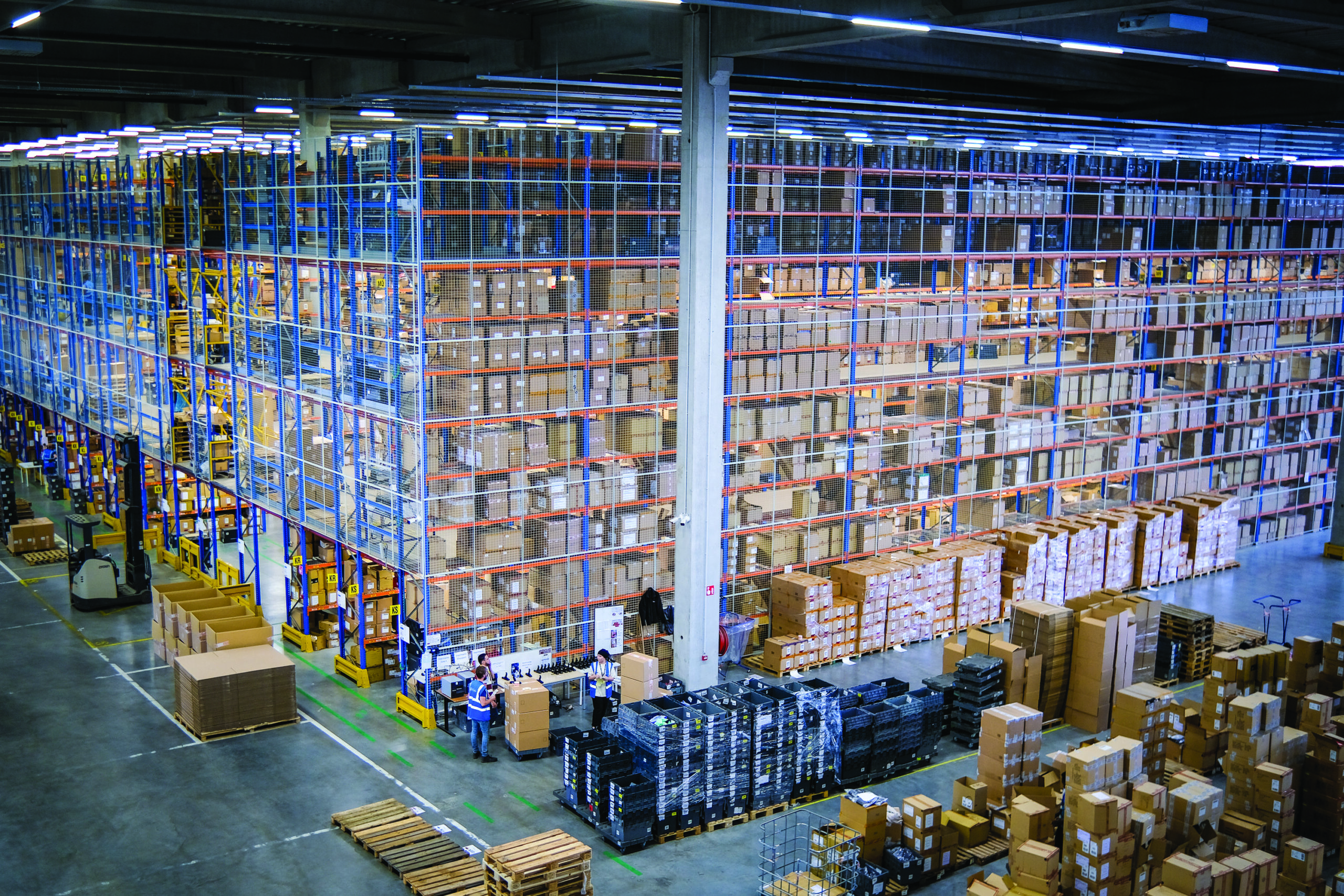
Tailoring fulfilment services is a cornerstone of personalised logistics and involves adapting every stage of the order processing and delivery cycle to meet specific customer demands. This customization ensures that the supply chain is agile, responsive, and aligned with the unique profiles of individual customers or market segments.
At Widem Logistics and similar providers, tailored fulfilment services might include:
These tailored fulfilment services rely heavily on integrated technology platforms that provide real-time data visibility and enable dynamic decision-making. By leveraging automation, AI, and data analytics, logistics providers can anticipate customer needs, optimize inventory levels, and reduce errors.
Crucially, tailoring fulfilment services demands close collaboration between logistics partners and clients. This partnership approach ensures that fulfilment strategies are continuously refined based on customer feedback and evolving market trends. The result is a supply chain that not only meets but exceeds customer expectations, driving higher satisfaction and loyalty.
Benefits of personalised handling
Personalised handling within logistics refers to the meticulous care and customization applied to products throughout the supply chain, from storage to delivery. This approach delivers several key benefits that directly contribute to improved customer satisfaction and operational excellence.
First, personalised handling reduces the risk of product damage and errors. By customizing packaging and handling based on product fragility or special requirements, companies safeguard product integrity, which is essential for customer trust. Damaged goods or incorrect shipments can severely harm customer relationships and brand reputation.
Second, personalised handling enhances the perception of value and care. When customers receive their orders in perfect condition, with packaging and presentation tailored to their expectations, it reinforces a premium service experience. This attention to detail can differentiate brands in crowded markets, particularly for luxury or sensitive products.
Additionally, personalised handling improves operational efficiency by minimizing returns and complaints. Fewer errors and damages mean less time and cost spent on rectifying issues, allowing businesses to focus on growth and innovation.
Finally, personalised handling fosters stronger relationships with customers by demonstrating commitment to quality at every touchpoint. It builds confidence in the brand and encourages repeat business, ultimately driving long-term success in competitive markets.
Conclusion
In today’s highly competitive marketplace, personalised logistics is crucial for driving customer satisfaction and overall business success. By customizing fulfilment services and processes to meet the unique needs and preferences of customers, companies can significantly enhance the customer experience and stand out from their competitors.
Personalised logistics elevates supply chain management from a basic operational task to a strategic asset that cultivates trust, loyalty, and growth. It harnesses data, technology, and a commitment to care, creating seamless, responsive, and transparent fulfilment services.
Businesses that adopt personalised logistics enjoy benefits such as fewer errors, enhanced product integrity, and stronger customer relationships. These improvements not only boost immediate satisfaction but also play a vital role in building long-term brand reputation and profitability.
Ultimately, personalised logistics is about placing the customer at the core of the supply chain, ensuring that every interaction reflects attention, flexibility, and excellence. As customer expectations evolve, companies that focus on personalised logistics will be best positioned to succeed. Discover how to enhance your logistics strategy today.