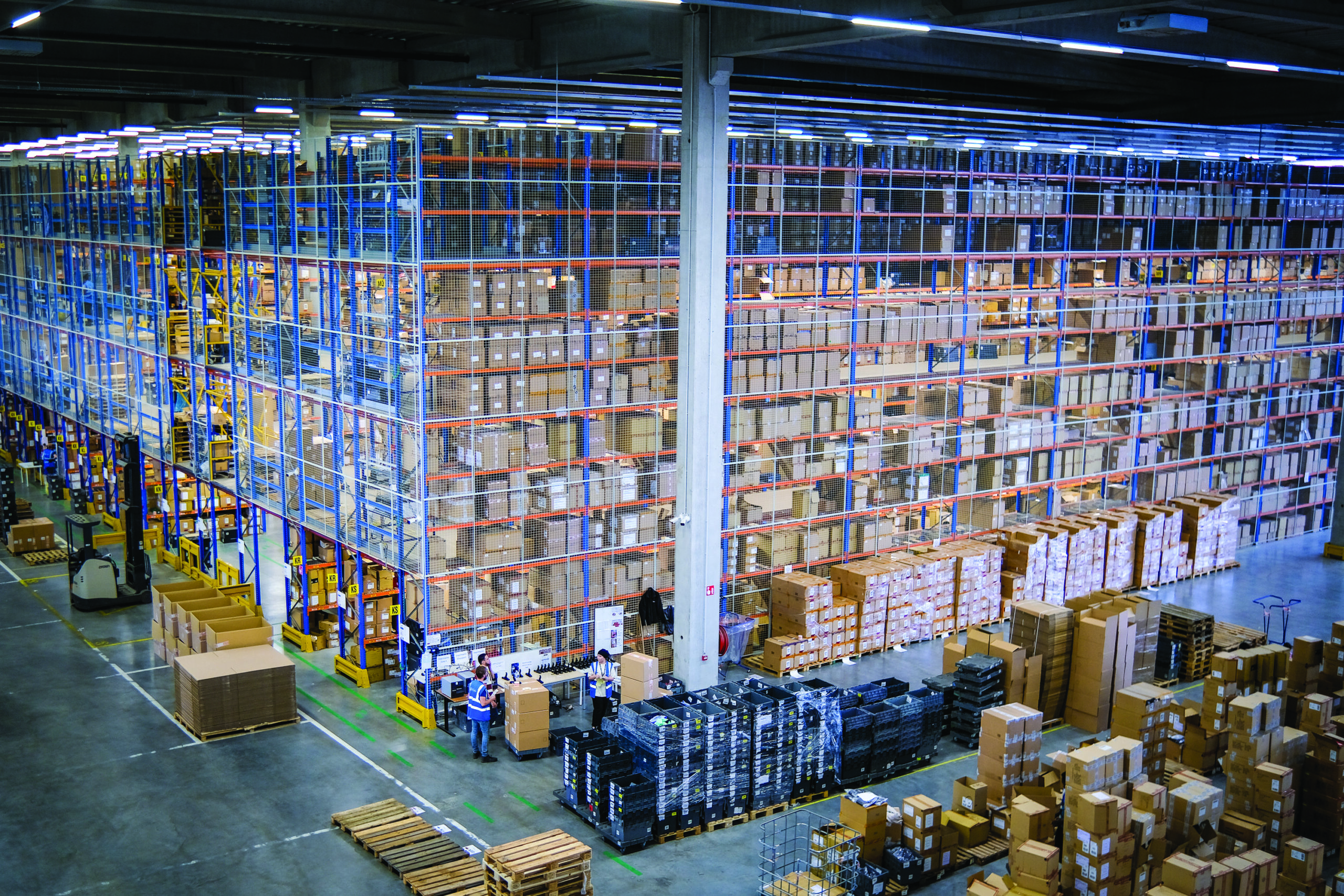

As your e-commerce business grows across Europe, one central warehouse is not always the most efficient setup anymore. Longer delivery times, higher shipping costs and rising customer expectations can all be signs that it is time to rethink your fulfillment strategy. That is why more growing brands are rethinking where they store stock and how they serve customers across Europe.
Spreading your fulfillment across multiple locations in Europe can help you deliver faster, reduce cross-border complexity and improve the customer experience in key markets. But it also adds new challenges around stock allocation, forecasting and returns, so it is important to choose the right model for your growth stage.
Local fulfilment: why it improves speed and customer experience
Fast delivery is no longer a nice-to-have in e-commerce. For customers across Europe, shorter delivery times and more predictable service have become a basic expectation. Especially not your customers. With fulfilment centres spread across Europe, you cut delivery times dramatically. No more packages stuck in customs, no more customers wondering if their order decided to take the scenic route.
But speed is just the beginning:
So yes, faster delivery is important but local fulfilment unlocks a whole toolbox of operational and strategic advantages.
A strong transport network keeps fulfilment centers connected
It is one thing to have multiple fulfilment centers. It is another to connect them through a transport network that keeps inventory moving quickly and reliably across Europe.
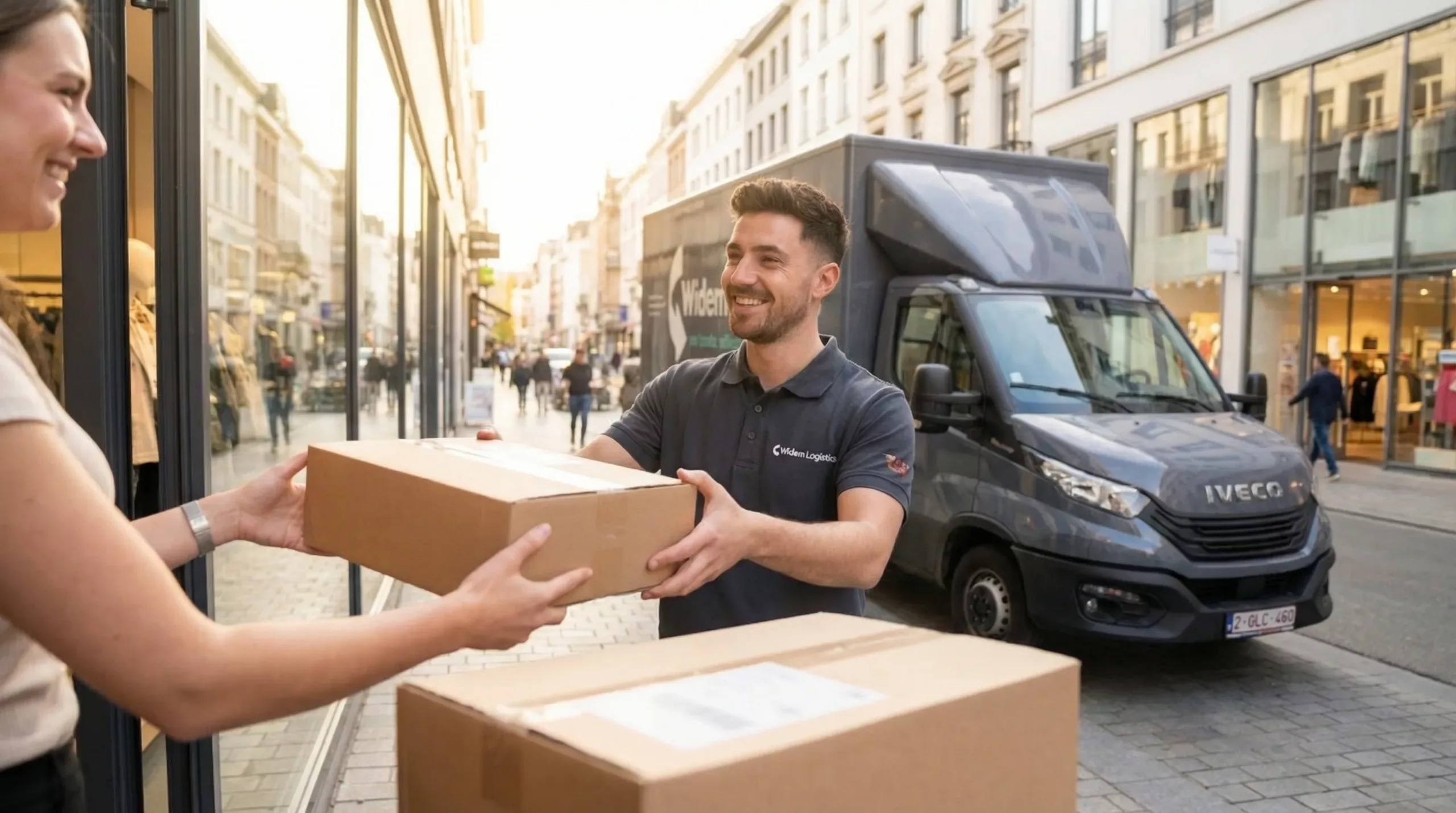
At Widem Logistics, we don’t rely on external carriers and their “we’ll get there when we get there” attitude. We run the whole show in-house, with a dedicated fleet of over 200 trucks moving goods daily between our hubs across Europe.
Why does this matter?
Distributed returns make the customer journey smoother
Returns are part of every e-commerce operation. A distributed fulfilment model helps keep them faster, easier to process and less disruptive for both your business and your customers. You can’t avoid returns but you can handle them like a pro.
With a decentralised fulfilment network, returns are handled locally, within the same infrastructure that shipped the product. That means:
And best of all? You don’t have to lift a finger. The entire reverse logistics process is handled for you and integrated with your platform. So while others are chasing couriers, you’re focusing on scaling your brand.
Why distributed fulfilment supports European growth
As your business expands into new European markets, relying on a single fulfilment center can become harder to scale efficiently. Relying on one central fulfilment center is like trying to run a pan-European business with one physical shop. It’s outdated.
Businesses that invest in fulfilment center networks across Europe gain speed, flexibility, and control. They also build the foundation for sustainable growth — with logistics that can scale as fast as their sales.